
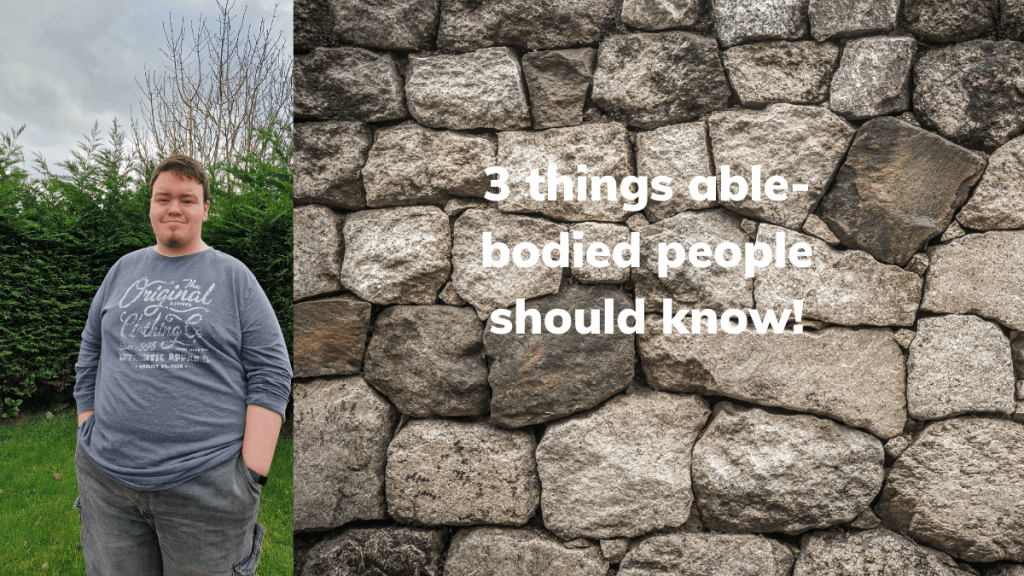
As a stroke survivor, there are a few things I wish non-disabled people knew. A stroke can happen to anyone, at any age, and it can change your life in an instant. Here are the top three things I want non-disabled people to know about stroke:
- Stroke recovery is a lifelong process Many people think that after a stroke, you just need to recover for a few months and then you’ll be back to normal. However, this couldn’t be further from the truth. Stroke recovery is a lifelong process that requires ongoing rehabilitation and support. Even six years after my stroke, I still have some residual effects, and I continue to work with a team of healthcare professionals to manage my symptoms and improve my function. It’s important for non-disabled people to understand that stroke survivors may continue to face challenges for years to come.
- Disability is not a dirty word Many people are afraid of the word “disability” and the stigma that comes with it. However, disability is not a dirty word. It’s simply a part of the human experience. As a stroke survivor, I have a disability, but that doesn’t mean I’m any less capable or valuable as a person. I wish non-disabled people would recognize that disability is just another aspect of diversity, and that it’s okay to talk openly and honestly about it.
- Access and inclusion are key One of the biggest challenges that stroke survivors face is access to resources and inclusion in society. This can include physical access to buildings and transportation, as well as access to healthcare, employment, and social opportunities. It’s important for non-disabled people to recognize that these barriers exist and to work to remove them. This can involve advocating for better accessibility and inclusion policies, supporting disability rights organizations, and being mindful of the needs of disabled people in your community.
In conclusion, stroke can happen to anyone, and it’s important for non-disabled people to understand the ongoing challenges that stroke survivors face. By recognizing the lifelong nature of stroke recovery, embracing disability as a natural part of diversity, and working to improve access and inclusion, we can create a more supportive and inclusive society for all.
 The Long Road Ahead
Leave a comment