
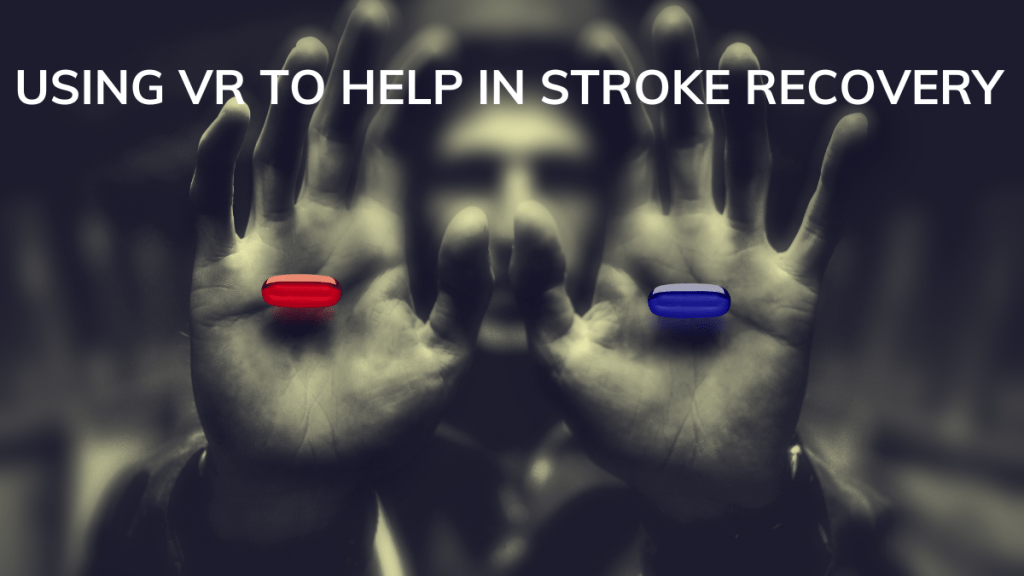
Remember Neo choosing the red pill in The Matrix? Well, consider VR the red pill for stroke recovery. It’s a chance to unplug from the limitations of the real world and plug into a virtual one where you can relearn, rebuild, and reclaim your life.
Stroke recovery is challenging. It’s a long, often frustrating journey filled with repetitive exercises that can feel like a chore. But what if we could make rehab more engaging, more motivating, and, dare I say, even enjoyable? That’s where VR comes in, offering a mind-blowing blend of cutting-edge technology and therapeutic benefits.
Why VR? Because Rehab Shouldn’t Be a Digital Wasteland
Imagine this: instead of mindlessly lifting weights, you’re in a virtual world, climbing a mountain, kayaking down a river, or even defending Zion from Sentinels (okay, maybe not Sentinels, but you get the idea). Suddenly, those repetitive movements become part of an exciting adventure, and those therapeutic goals feel less like a chore and more like a quest.
Beyond the “Whoa” Factor: The Real Benefits
But VR is more than just an incredible escape from reality. It offers a host of benefits that can significantly enhance your stroke recovery:
- Improved Motor Function: Studies have shown that VR-based therapies can lead to significant improvements in upper limb motor function, even surpassing traditional therapy methods. By immersing you in a virtual world, VR allows you to practice real-life movements and activities in a safe and controlled environment.
- Enhanced Engagement and Motivation: Let’s face it, traditional rehab can be a bit like watching dial-up internet – slow and monotonous. VR injects much-needed excitement, turning those repetitive exercises into engaging challenges. This increased motivation can lead to better adherence to therapy and, ultimately, better outcomes.
- Cognitive Boost: Stroke can affect not just your physical abilities, but also your cognitive function. VR interventions have shown promising results in improving attention, memory, and other cognitive skills, kind of like upgrading your mental RAM.
- Personalized Training: VR systems allow customized training sessions tailored to your needs and abilities. The difficulty levels can be adjusted as you progress, ensuring you’re consistently challenged but not overwhelmed. Think of it as your own personal training program, designed by Morpheus himself.
- Safe Practice Environment: VR creates a safe space to practice movements without the risk of injury. This is particularly important in the early stages of recovery when balance and coordination may be impaired. You can basically fall down a virtual rabbit hole without any real-world consequences.
- Increased Therapy Intensity: VR allows for high repetition and intensity of therapy, which is crucial for neuroplasticity and motor learning. The more you practice, the better your brain can rewire itself and regain lost functions. It’s like taking the red pill and unlocking your brain’s full potential.
- Home-Based Therapy: As VR technology becomes more accessible, it opens up the possibility of home-based therapy, allowing you to continue your rehabilitation in the comfort of your own home. No need to travel to a rehab facility; you can “jack in” from anywhere.
- Comprehensive Rehabilitation: VR can address multiple aspects of stroke recovery simultaneously, including physical, cognitive, and even emotional skills. It’s a holistic approach that can help you regain not just your physical abilities but also your overall well-being.
The Future of Stroke Rehab is Now
VR is revolutionizing stroke rehabilitation, offering engaging, customizable, and effective therapy options that complement traditional approaches. So, if you’re on the road to recovery, it’s time to take the red pill and embrace the exciting possibilities of this technology. Who knows, you might even have some fun bending the rules of reality along the way.
in Ending:
in case it wasn’t clear, I went down a “Rabbit hole” after watching the Matrix films recently and decided to write this post to let others know about the amazing options that are available to those in stroke recovery and rehabilitation and also cause I wanted to see just how many references I could make in one post
If you enjoyed this post, please give me a like, follow, and turn on notifications.
 The Long Road Ahead
Leave a comment