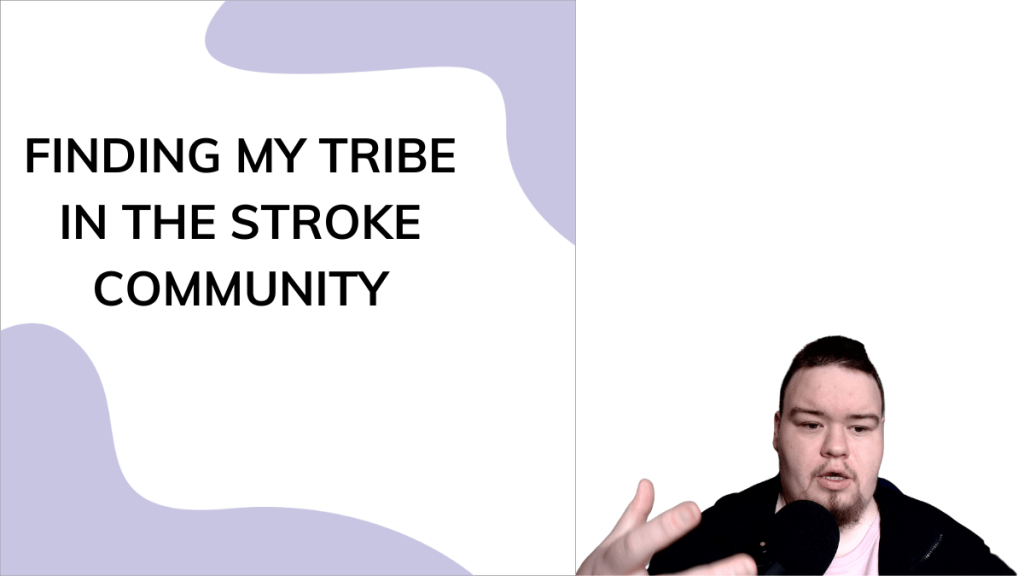
Remember that feeling when you finally found “your people” – that group who gets you, quirks and all? Well, after a stroke, finding that sense of belonging can feel like searching for a needle in a haystack. You’re suddenly navigating a world that seems tilted on its axis, and the people around you might struggle to truly understand what you’re going through.
That’s where the stroke community comes in. It’s like stumbling upon a hidden oasis in the middle of the desert – a place where you can connect with others who “get it,” who’ve walked a similar path, and who can offer support, understanding, and a hefty dose of “you’re not alone in this.”
Why Bother? The Unexpected Perks of Connecting with Fellow Survivors
Now, I know what you might be thinking: “I’m not really a ‘group’ person,” or “I don’t need to talk about my stroke with strangers.” Trust me, I get it. But before you dismiss the idea entirely, consider these surprising benefits of tapping into the stroke community:
- Validation and Understanding: Let’s face it: even with the best intentions, friends and family can’t always grasp the nuances of stroke recovery. The fatigue, the frustration, the invisible struggles – these are things that fellow survivors intrinsically understand. Sharing your experiences with people who “get it” can be incredibly validating and empowering. I recently came across these videos of fellow survivors tackling stairs [1], [2], and let me tell you, it brings me joy to see them handling it so well and in their own way.
- Hope and Inspiration: Stroke recovery can be a long and challenging journey. Seeing others who have navigated similar challenges and are thriving can be a powerful source of hope and inspiration. It’s a reminder that progress is possible, even when the road ahead seems daunting. I use these as personal reminders that the work im doing is helping people in the stroke community.
- Practical Advice and Resources: Who better to offer practical tips and advice than those who’ve been there? From navigating the healthcare system, which is difficult enough from the outset to get the help you need, especially someone who understands you and your symptoms, to finding adaptive strategies for everyday tasks, the stroke community is a treasure trove of information and resources.
- Reduced Isolation: Stroke can be isolating, both physically and emotionally. Connecting with others creates a sense of community and belonging, reducing feelings of loneliness and isolation. It’s a reminder that you’re not alone in this journey.
- Emotional Support: Having a safe space to share your emotions, fears, and triumphs is invaluable. The stroke community offers a non-judgmental environment where you can express yourself openly and honestly and be raw with those feelings.
- Advocacy and Awareness: Collectively, the stroke community has a powerful voice. By connecting with others, you can join forces to raise awareness about stroke prevention, treatment, and recovery.
Where to Find Your Tribe: A Guide to Connecting with the Stroke Community
Ready to dive in? Here are some avenues for connecting with fellow survivors:
- Support Groups: Many hospitals and community centres offer stroke support groups, both in-person and online. These groups provide a safe and supportive space to connect with others, share experiences, and learn from each other.
- Online Forums and Communities: The internet is a goldmine for connecting with people across the globe. Online forums and communities offer a platform to ask questions, share stories, and find support 24/7.
- Stroke Organizations: Organizations like the Stroke Association and the American Stroke Association offer many resources, including support groups, online communities, and educational materials.
- Social Media: Social media platforms like Facebook and Twitter have numerous stroke-related groups and pages where you can connect with others, stay informed, and participate in discussions.
- Volunteering: Giving back to the stroke community can be a rewarding way to connect with others and make a difference. Consider volunteering at a local hospital, stroke organization, or support group.
The Power of Shared Experiences: You Are Not Alone
Connecting with the stroke community is like finding a missing piece of the puzzle. It’s a reminder that you’re not alone in this journey; after all, you didn’t plan to have this life. It just went that way, and others understand stroke recovery’s unique challenges and triumphs. So, take that first step, reach out, and connect with your tribe. You might be surprised by the strength, resilience, and hope you find within this incredible community.
If you enjoyed this post, please give me a like, follow, and turn on notifications.
 The Long Road Ahead
Leave a comment