
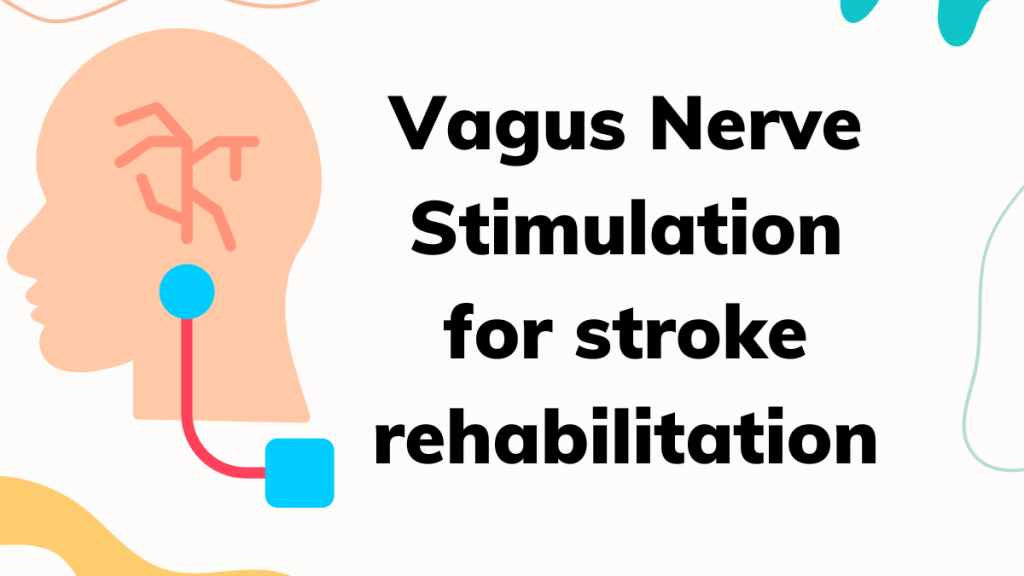
Stroke recovery is often a long and challenging road. But what if there was a way to boost your brain’s natural healing abilities and accelerate your progress? Enter vagus nerve stimulation (VNS) is a promising new therapy that’s making waves in stroke rehabilitation.
What is VNS and How Does it Work?
Think of your vagus nerve as a superhighway connecting your brain to various organs in your body. VNS involves stimulating this nerve, typically through a small implanted device, to enhance neuroplasticity – your brain’s remarkable ability to rewire itself and form new connections.
This stimulation triggers a cascade of events, promoting the release of neurotransmitters and growth factors that help strengthen existing neural pathways and create new ones. In essence, VNS helps your brain “relearn” lost functions and adapt to the challenges posed by a stroke.
The Benefits: Why VNS is Generating Excitement
- Upper Limb Function: One of the most exciting benefits of VNS is its potential to significantly improve arm and hand movement, even years after a stroke. This can be life-changing for stroke survivors struggling with everyday tasks like dressing, eating, or writing.
- Enhanced Neuroplasticity: VNS essentially turbocharges your brain’s natural healing process, making it more receptive to rehabilitation and facilitating faster recovery.
- Long-lasting Effects: The improvements gained through VNS aren’t just temporary. Studies have shown that these benefits can be maintained long-term, sometimes up to a year after treatment.
- Effective for Chronic Stroke: Even if your stroke happened months or years ago, VNS can still help you regain lost function and improve your quality of life.
- Complementary to Rehabilitation: VNS isn’t meant to replace traditional therapies like physiotherapy or occupational therapy. Instead, it works synergistically with them, boosting their effectiveness and accelerating your progress.
- Non-pharmaceutical Approach: For those seeking drug-free options or wanting to reduce their reliance on medication, VNS offers a promising alternative or addition to their treatment plan.
- Potential for Home Use: Some VNS systems allow for self-administered stimulation at home, giving you greater flexibility and control over your treatment.
- Wide Application: While VNS has shown particular promise for improving motor function, it also holds the potential for addressing other stroke-related impairments, including speech and cognitive deficits.
- FDA Approved: VNS therapy has received FDA approval for improving upper extremity motor function in chronic ischemic stroke patients, a significant milestone in its development and availability.
- Quality of Life Improvement: By improving arm and hand function, VNS can contribute to a better quality of life after stroke, allowing you to regain independence and participate more fully in daily activities.
The Future of Stroke Rehabilitation?
While VNS is still a relatively new therapy, the research is incredibly promising. It offers a new hope for stroke survivors, a potential to regain lost function and reclaim their lives. As research continues and technology advances, VNS may well become a cornerstone of stroke rehabilitation, helping countless individuals on their road to recovery.
If you enjoyed this post, please give me a like, follow, and turn on notifications.
 The Long Road Ahead
Leave a comment