
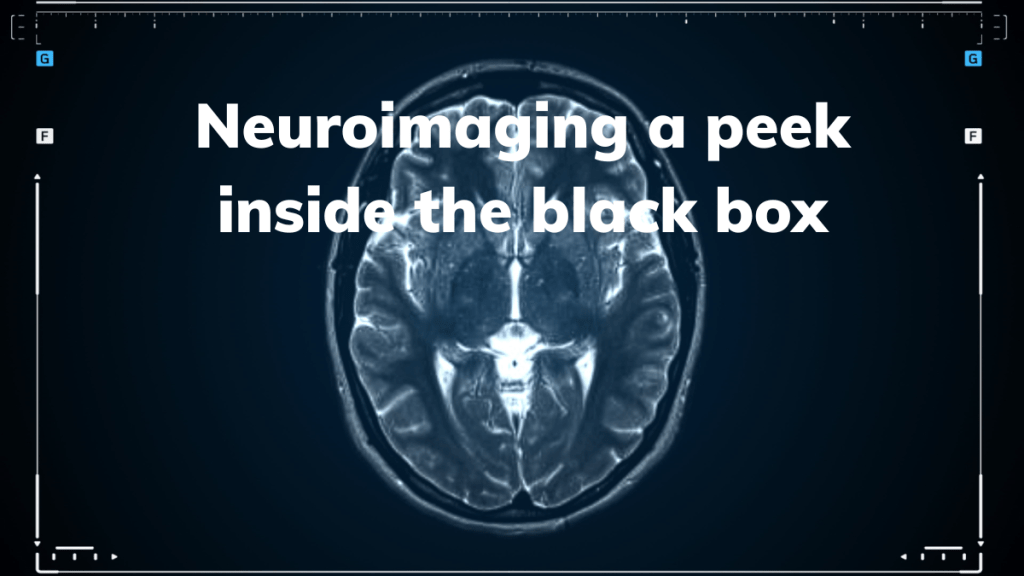
For years, treating a stroke was like trying to fix a car engine with your eyes closed. Doctors relied on external symptoms and basic tests to assess the damage, but the inner workings of the brain remained a mystery. Enter neuroimaging, the superhero of stroke recovery, giving us unprecedented access to the brain’s inner workings and transforming how we assess and treat strokes.
Neuroimaging: A Window into the Brain
Neuroimaging is like having X-ray vision for the brain (that’s not exactly the first thing I would use it for, lol). Using techniques like MRI, CT scans, and PET scans, doctors can create detailed images of your brain’s structure and function, revealing the extent of damage caused by a stroke and identifying areas that are still healthy and functioning.
However, neuroimaging is more than just a diagnostic tool. It’s also a roadmap for recovery, guiding personalized treatment plans and helping doctors track your progress over time.
The Benefits: Why Neuroimaging is a Game-Changer
- Personalized Treatment: No two strokes are alike. Neuroimaging allows doctors to tailor treatment plans to your specific needs, targeting the areas of your brain that need the most support. It’s like having a customized workout plan for your brain, designed to maximize your recovery potential.
- Predicting the Future (of Your Recovery): Neuroimaging can help predict how well you’ll recover and identify potential challenges. This information allows doctors to set realistic goals and adjust treatment strategies as needed.
- Guiding Rehabilitation: Neuroimaging can reveal how your brain responds to different therapies, helping doctors optimize your rehabilitation program. It’s like having a feedback loop for your brain, ensuring that your therapy is as effective as possible.
- Measuring Progress: By tracking changes in your brain over time, neuroimaging can provide objective evidence of your progress, giving you and your medical team a clear picture of how far you’ve come.
- Understanding Recovery Mechanisms: Neuroimaging is helping researchers unravel the mysteries of brain plasticity, the brain’s remarkable ability to rewire itself after injury. This knowledge is leading to new and innovative therapies that can enhance recovery and improve long-term outcomes.
Beyond the Basics: Advanced Neuroimaging Techniques
While traditional imaging techniques like MRI and CT scans provide valuable information, newer technologies are taking neuroimaging to the next level:
- Diffusion Tensor Imaging (DTI): This technique allows doctors to visualize the white matter tracts in your brain, the “wiring” that connects different brain regions. DTI can reveal damage to these connections and help predict motor recovery.
- Functional MRI (fMRI): fMRI measures brain activity by detecting changes in blood flow. It can reveal which areas of your brain are active during specific tasks, providing insights into cognitive function and guiding rehabilitation strategies.
The Future of Stroke Recovery
Neuroimaging is revolutionizing how we approach stroke recovery, offering personalized, targeted, and evidence-based treatment strategies. As technology advances, we can expect even more exciting developments in this field, leading to better outcomes and improved quality of life for stroke survivors.
So, the next time you hear about neuroimaging, don’t just think of it as a fancy brain scan. Think of it as a window into the black box of your brain, a tool that’s unlocking the secrets of stroke recovery and paving the way for a brighter future.
If you enjoyed this post, please give me a like, follow, and turn on notifications.
Sources:
 The Long Road Ahead
Leave a comment