
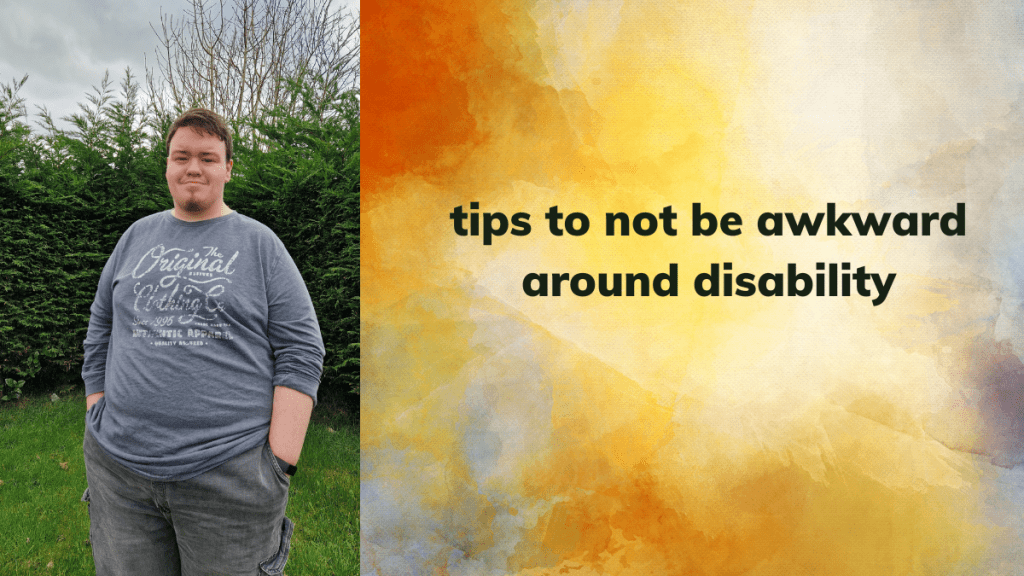
As a stroke survivor, I’ve come to understand how challenging it can be for some people to interact with individuals with disabilities. It’s common for people to feel awkward, unsure, or even afraid of saying or doing the wrong thing. But with a little bit of awareness and sensitivity, it’s possible to create a comfortable and respectful environment for everyone.
Here are some tips that can help you not be awkward around people with disabilities:
- Treat them like you would anyone else: The first rule of interacting with people with disabilities is to treat them like you would anyone else. People with disabilities are just like you and me. They have hobbies, interests, and dreams. They want to be seen as individuals, not as their disability.
- Be aware of accessibility: If you’re inviting someone with a disability to your home or office, make sure that the space is accessible. That means having ramps, wide doorways, and elevators if necessary. It’s important to remember that people with disabilities have different mobility needs and may require accommodations to move around freely.
- Ask before helping: It’s natural to want to help someone with a disability, but always ask before offering assistance. Some people may be offended if you assume they need help. Remember that people with disabilities are capable of making their own decisions and may not want your help.
- Use appropriate language: It’s important to use appropriate language when talking to or about someone with a disability. Avoid using derogatory terms or slang that can be hurtful. Always use person-first language, which emphasizes the person over their disability. For example, instead of saying “the disabled person,” say “the person with a disability.”
- Be patient and understanding: It’s common for people with disabilities to move or speak slower than others. They may also have difficulty understanding or processing information. Be patient and understanding. Don’t rush them or get frustrated if they need extra time to complete a task or communicate.
- Focus on abilities, not disabilities: Finally, focus on the abilities of the person, not their disability. Everyone has strengths and weaknesses, and people with disabilities are no different. Instead of focusing on what someone can’t do, focus on what they can do. Encourage and support them to pursue their interests and goals.
In conclusion, interacting with people with disabilities doesn’t have to be awkward or uncomfortable. By following these simple tips, you can create an environment that is respectful, inclusive, and welcoming to all. Remember to treat people with disabilities like you would anyone else, be aware of accessibility, use appropriate language, be patient and understanding, and focus on abilities, not disabilities.
 The Long Road Ahead
Leave a comment