
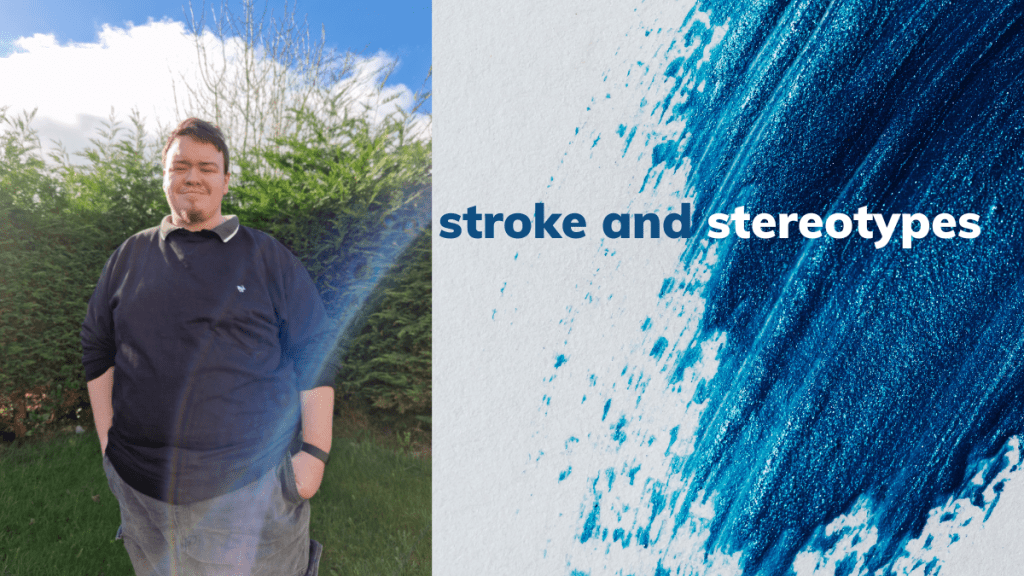
Being a stroke survivor at a young age is not an easy experience. When people hear that you have had a stroke, they often assume that you are weak, fragile, and unable to live a normal life. This stereotype can be frustrating and demoralizing, especially when you are trying to move forward and rebuild your life after such a traumatic event.
One of the most challenging aspects of being a stroke survivor is dealing with the stigma and stereotype that comes with it. It can be tempting to try to hide the fact that you have had a stroke and to try to act like everything is normal. You might feel pressure to appear strong and capable, even when you are struggling with physical or cognitive limitations.
But trying to act like you haven’t had a stroke is not only exhausting, it is also counterproductive. The more you try to hide your stroke and pretend that everything is okay, the more you reinforce the stereotype that stroke survivors are weak and unable to live normal lives. By being open and honest about your stroke, you can challenge this stereotype and help others to understand that stroke survivors can be strong, resilient, and capable of achieving great things.
Of course, being open about your stroke is not always easy. It can be difficult to talk about your struggles and limitations, especially when you are trying to make a good impression or build a new relationship. But it is important to remember that your stroke is a part of who you are, and that you have nothing to be ashamed of. By sharing your story, you can help others to understand what it means to be a stroke survivor and to see beyond the stereotype.
Another important step in challenging the stereotype of stroke survivors is to advocate for yourself and others. This means speaking up when you encounter discrimination or unfair treatment, and pushing for better support and resources for stroke survivors in your community. By working together with other stroke survivors and their families, you can help to create a more inclusive and supportive society for all.
In conclusion, the stereotype of telling people you’ve had a stroke and trying to act like you haven’t had one can be frustrating and damaging. By being open and honest about your stroke, challenging stereotypes, and advocating for yourself and others, you can help to create a more inclusive and understanding society for all stroke survivors. Remember that you are strong, resilient, and capable of achieving great things, and that your stroke is just one part of your journey.
 The Long Road Ahead
Leave a comment